Sewage backup from a blocked main line
We treat the loss as contaminated from the first minute: full pad removal, drywall cut to the flood line, antimicrobial solution on every surface, and an air scrubber running while the structure dries.
When a toilet backs up at 2 a.m. on Hubbard Street, toilet overflow cleanup in Sylmar, California, means stopping the water, pulling it out of the subfloor, and drying the room with meters and air movers. We handle toilet water damage cleanup Sylmar homeowners call about most: wax ring failures, supply-line bursts, and sewage backups. Call (833) 321-7153 and we roll a truck.
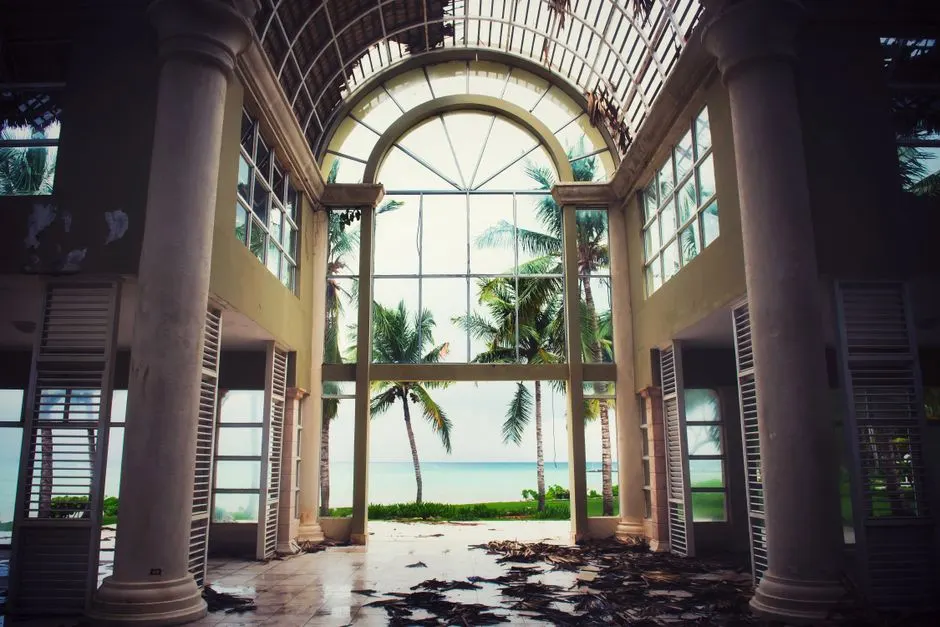
toilet overflow cleanup in Sylmar, California, is the process of stopping the water source, extracting standing waste water, disinfecting every touched surface, and drying the structure until moisture readings match a dry standard. It is not a mop-and-bucket job. Category 3 water, the kind that comes out of a toilet bowl or a backed-up sewer line, carries bacteria that soaks into grout, baseboard, and carpet pad. We pull the toilet, inspect the flange and subflooring, and treat the cavity with antimicrobial solution before anything goes back down.
Most calls we take in Sylmar start the same way: a wax ring gives out, a fill valve sticks open, or a main-line blockage pushes sewage back through the lowest fixture in the house. Older homes along El Dorado Avenue and Polk Street often still have cast-iron drains and original 1950s subflooring, so water wicks sideways fast. If you are searching for toilet overflow cleanup near me Sylmar at midnight, we answer, dispatch, and give you a real arrival window instead of a call center script.
Every toilet overflow job starts with the same core scope: stop the water, extract, disinfect, dry, and verify. What changes is how far the water traveled and whether the subfloor or wall cavity is involved. Here is what is standard on our Sylmar calls.
Truck-mounted water extraction machine plus a wet/dry vacuum for edges and the flange cavity. Standing water is pulled the same visit, usually within the first hour of arrival.
We pull the toilet to inspect the wax ring, flange, and subflooring. A failed wax ring is the most common cause of a repeat overflow, and it is a $10 part that gets missed when nobody looks.
EPA-registered antimicrobial solution applied to the floor, baseboard, flange, and any drywall within the flood line. This is the step that makes a Category 3 loss safe to live around.
Industrial air movers, a dehumidifier, and an air scrubber with HEPA filtration. We size the equipment to the room, not to a flat rate, so a small bathroom does not get the same setup as a flooded hallway.
A moisture meter and hygrometer reading every 24 hours, compared against a dry reference area in the same house. You get the numbers in writing at the end of the job.
Photos, moisture logs, and a written scope formatted for adjuster review. We have been through enough California claims to know what carriers ask for on the first pass.
First move is shutting the angle stop behind the toilet or the main at the meter. We pull the toilet, cap the flange, and check whether the backup is a fixture problem or a main-line blockage. That call decides whether we are cleaning one bathroom or the whole lowest floor. Takes 15 to 30 minutes.
We run a water extraction machine across the floor, then a wet/dry vacuum along the baseboard and into the flange cavity. A boroscope inspection camera goes into the wall if the drywall is soft. A moisture meter and thermal imaging camera map how far the water traveled under the flooring.
Carpet pad comes out every time on a Category 3 loss. Baseboard and drywall come out to the flood line, usually 12 to 24 inches up. We bag it, haul it, and set plastic sheeting and duct tape to contain dust while the rest of the house stays livable.
Antimicrobial solution goes on every affected surface. Then we set industrial air movers, a desiccant or refrigerant dehumidifier, and an air scrubber with a HEPA filter. Day one runs hot and loud on purpose. We check readings with a hygrometer every 24 hours.
We do not call it done until moisture content matches an unaffected reference area. You get the readings in writing. Then we reinstall the toilet on a new wax ring, replace baseboard and drywall, and paint. Most jobs run three to five days of drying plus a rebuild day.
Purpose-built equipment, used by trained technicians — so the job is done accurately the first time.
Truck-mounted unit that pulls standing water out of tile, vinyl, and grout lines fast. This is the first tool on the floor on every call.
Reads moisture content in subflooring, drywall, and framing. We compare readings to a dry reference area so the job ends on numbers, not on a guess.
Finds wet zones behind walls and under floors that are not visible to the eye. Essential when a supply line burst inside a wall cavity.
Air movers evaporate moisture off surfaces while a dehumidifier pulls it out of the air. We size the count to the room volume, not a flat package.
Runs continuously during Category 3 drying to capture airborne spores and dust so they do not settle in the rest of the house.
Goes into the wall or under the subfloor through a small hole to check for hidden moisture and early mold growth without a full demo.
Detail work along baseboards, in the flange cavity, and in corners the extraction machine cannot reach. Every truck carries one.
A wax ring failed overnight and water ran through the bathroom floor into the ceiling below. The ceiling showed a water stain about 18 inches across, and the carpet pad in the hallway was soaked through. The homeowner found it at 6 a.m.
We pulled the toilet, extracted standing water, removed the hallway pad, and opened the ceiling to dry the joists. Moisture readings dropped from 28 percent to 11 percent over four days. The ceiling was patched, textured, and painted.
A main-line blockage pushed sewage back through the lowest toilet in a duplex. Water covered about 40 square feet of tile and soaked the baseboard and the bottom 12 inches of drywall in two rooms.
Full Category 3 protocol: pad and drywall removed to the flood line, antimicrobial solution applied, air scrubber and dehumidifier running for four days. Final readings matched the dry reference. Baseboard and drywall were rebuilt and painted.
A PEX supply line failed behind the bathroom wall and ran for hours before anyone noticed. The bathroom floor looked dry, but a thermal imaging camera scan showed the adjacent bedroom wall was wet 24 inches up from the floor.
We opened the wall, extracted from the cavity, and dried with air movers and a dehumidifier for three days. Moisture content in the framing dropped from 24 percent to 10 percent. Drywall and insulation were replaced and the wall repainted.
A toilet overflow is rarely just a wet floor. Here are the problems we see most on Sylmar calls, and what happens if they get ignored.
Ask a pro →We treat the loss as contaminated from the first minute: full pad removal, drywall cut to the flood line, antimicrobial solution on every surface, and an air scrubber running while the structure dries.
We pull the toilet, inspect the flange with a boroscope inspection camera if needed, dry the cavity, and reset the toilet on a new wax ring so the same failure does not repeat next month.
A thermal imaging camera scan finds the wet zone. We open the wall, extract, dry with air movers and a dehumidifier, then rebuild the drywall and insulation once readings are dry.
We test for growth during the job. If mold is present, we contain with plastic sheeting and a negative air machine, remove affected material, and treat with mold remediation chemicals before drying continues.
Most residential toilet overflow jobs in Sylmar run $450 to $1,800 in 2026, with the average around $900. A single-bathroom extraction and dry-out sits at the low end. Sewage backup from toilet cleanup Sylmar jobs that need pad removal, drywall cuts, and three days of drying land higher. Rebuild work like baseboard and paint is quoted separately.
Yes. Water coming out of a toilet bowl or a backed-up drain is Category 3, which means it can carry bacteria, viruses, and parasites. Do not walk through it in socks, and keep kids and pets out of the room. We treat every toilet overflow as contaminated, which is why we remove carpet pad and disinfect rather than just dry.
Extraction and disinfection take two to four hours on site. Structural drying runs three to five days with air movers and a dehumidifier running continuously. If the overflow reached the subflooring or a crawl space, add one to two days. We check moisture readings every 24 hours and tell you the projected finish date on day one.
It does when drying is verified with a moisture meter instead of eyeballed. Mold needs 24 to 48 hours of wet material to start. We pull the pad, cut the drywall to the flood line, and run an air scrubber so spores do not settle in the rest of the house. If we find growth during the job, we handle it under the same scope.
 flood restoration servicesWhen a toilet overflow turns out to be the first sign of a bigger main-line or storm-drain problem, we scale up to full flood restoration with the same crew and equipment already on site.Explore →
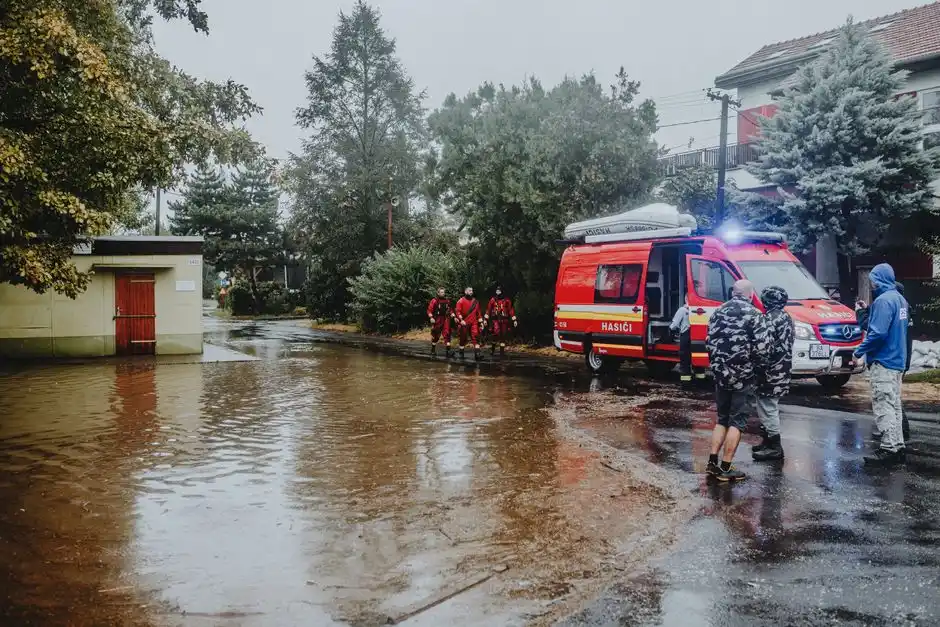 emergency water removalStanding water in a bathroom or hallway gets pulled with our water extraction machine and wet/dry vacuum. This is the first hour of most toilet overflow calls in Sylmar.Explore →
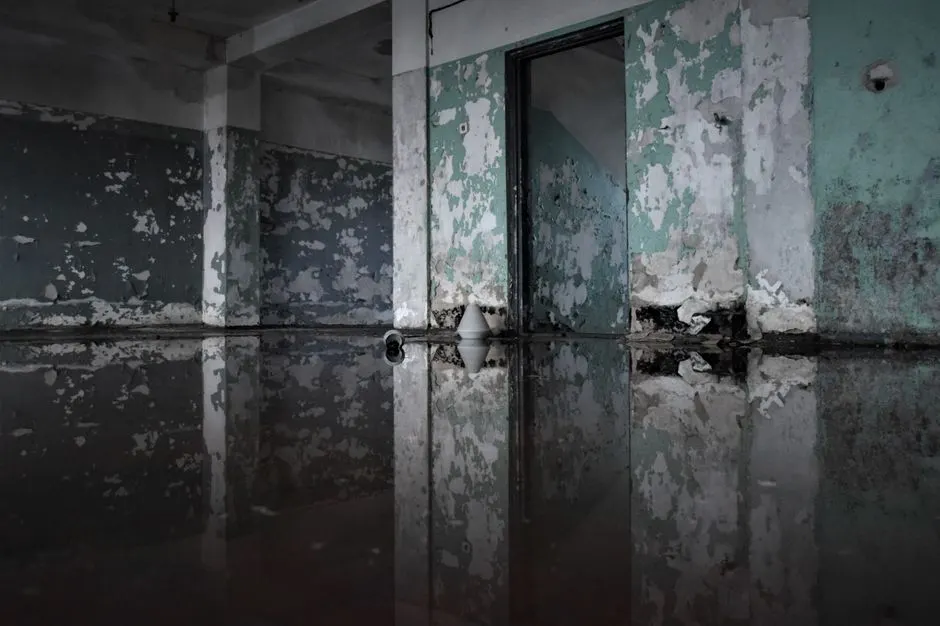 mold remediation after water damageIf a toilet overflow sat over a weekend, mold can already be in the subfloor or wall cavity. We contain the area with plastic sheeting and negative air machine setup, then remove affected material.Explore →
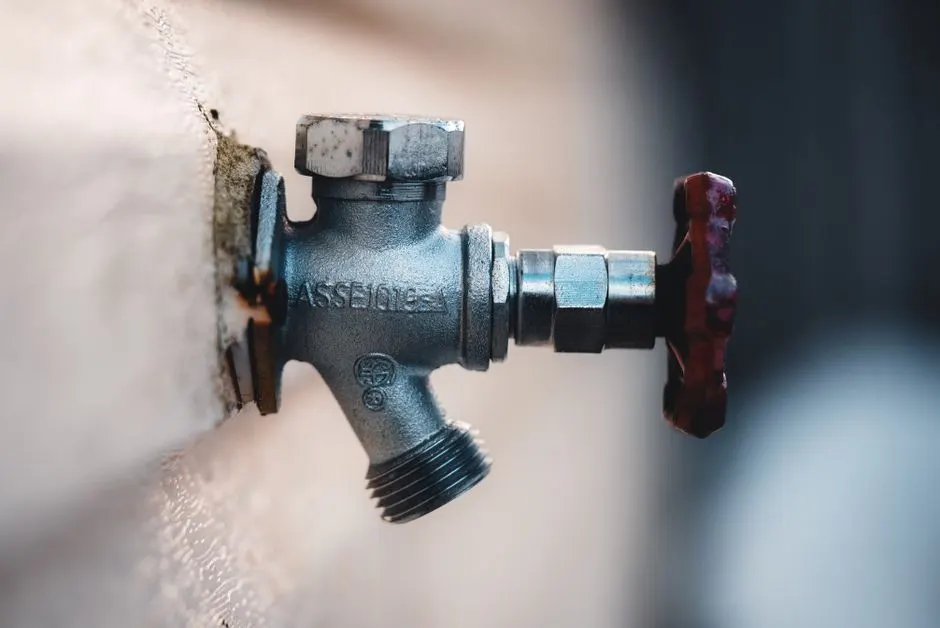 water leak restorationA failed supply line behind the toilet is a common cause of overflow. We find the leak, dry the cavity, and restore the wall and floor once the line is repaired.Explore →
 emergency water cleanupCategory 3 water from a toilet needs disinfection, not just drying. We apply antimicrobial solution to every touched surface as part of the cleanup.Explore →
 water extractionOur water extraction machine pulls water out of tile, vinyl, and grout lines fast. On a typical Sylmar bathroom overflow, standing water is gone within the first hour.Explore →
 water damage mitigationMitigation means stopping the damage from spreading. On a toilet overflow, that is pad removal, drywall cuts to the flood line, and air movers running the same day.Explore →
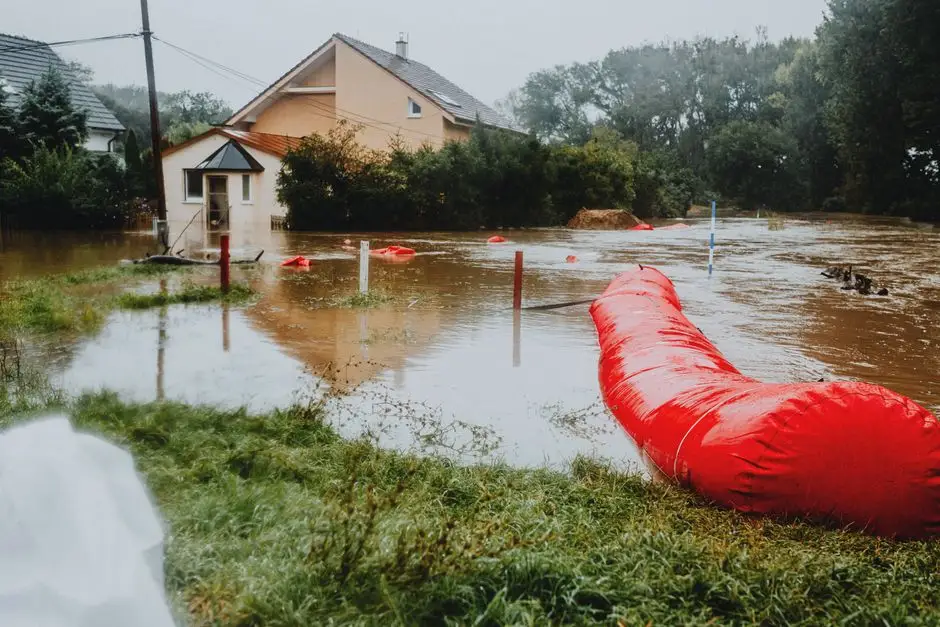 basement flood cleanupIf the overflow is on a lower level or the water ran through a floor drain, we handle basement flood cleanup with a sump pump and dehumidifiers sized for the square footage.Explore →
We are licensed, insured, and IICRC certified, and we answer the phone at 2 a.m. the same as 2 p.m. Call (833) 321-7153 and we will tell you exactly when a truck will be at your door.
Call Now (833) 321-7153 →Call us 24/7 at (833) 321-7153 for emergency water damage restoration in Sylmar. We respond within 60 minutes. You can also email us at info@waterdamagerestorationsylmar.com or visit our office. We're here to help you recover fast.